Book a call

Scatter

An open-source web3 wallet that I founded and grew to 250K peak daily active users. It made signing a blockchain transaction as easy as a login.

250K
Peak daily active users
Daily active users
Validation metric
3 rounds
Iteration cycles
2018–2021
Founder

Cycles

  • Validate
  • Iterate ×3
  • Prove
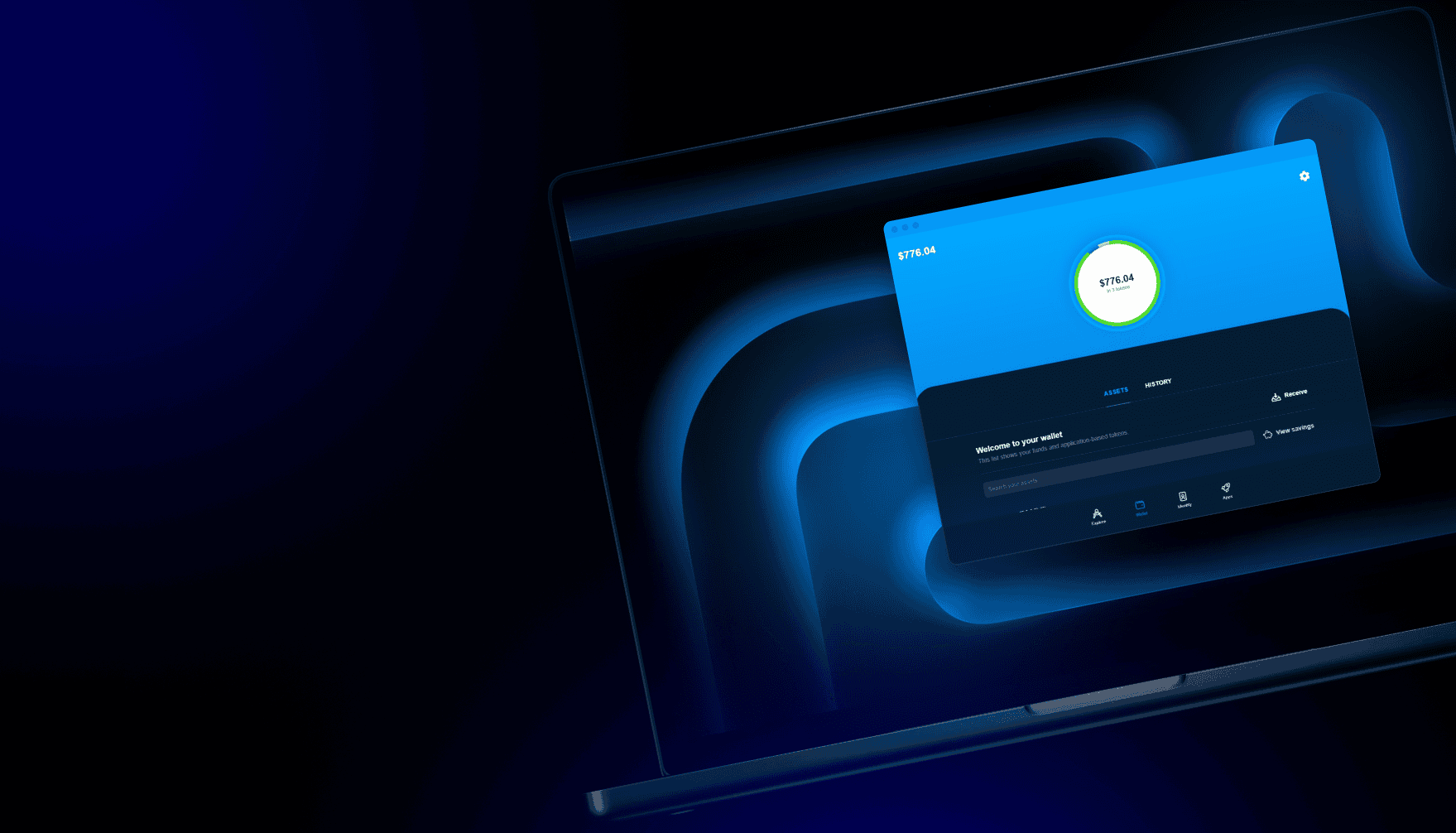
Scatter product screens

How it was proven

  1. V1 · Validate

    We shipped a bare-bones browser extension that let people sign EOS transactions without pasting private keys into websites. The metric that drove every decision: daily active users.

    2K daily active users in 6 weeks

  2. V2 · Iterate

    Scatter Desktop. The data showed most people dropped off at key import, and browser extensions broke too easily. I designed a standalone desktop app with a guided setup, identities, and support for many networks.

    Onboarding completion up 3×

  3. V3 · Iterate

    People came for the wallet and stayed for the apps. I designed an in-wallet app store and Scatter Marketplace, where players bought and traded game items. We demoed it live at EOS World Expo in San Francisco.

    400+ integrated apps

  4. V4 · Prove

    A full redesign across desktop and mobile, with a faster interface built for everyday use. Scatter became the most-used wallet in the EOS ecosystem, and Ultra acquihired the team.

    250K peak daily active users

The idea

In 2018, using a blockchain app meant pasting a private key into a website and hoping for the best. People lost funds, and developers lost users. Scatter put a trusted layer between the two: a wallet that kept keys safe and let any app ask for a signature, the way “Sign in with Google” works today.

What I built

I led product, UX, and UI across all four versions: the browser extension, the desktop and mobile apps, the in-wallet app store, and Scatter Marketplace. I also did front-end implementation work, and I helped lead marketing and our go-to-market strategy. Ultra later acquihired the team, because its technology stack was close to ours.

  • Product
  • UX
  • UI
  • Frontend
  • Go-to-market

The features

The browser extension Version one. A small popup that signs a transaction when an app asks, so nobody pastes a private key into a website again.

Why we built it
In 2018, using a blockchain app meant handing your private key to a web page. We wanted a trusted layer between people and apps.
How it changed
Extensions broke too easily and were hard to trust. The lessons from this popup shaped the desktop app that followed.
What users say
“I could finally use EOS apps without pasting my key into a website. That alone sold me.”
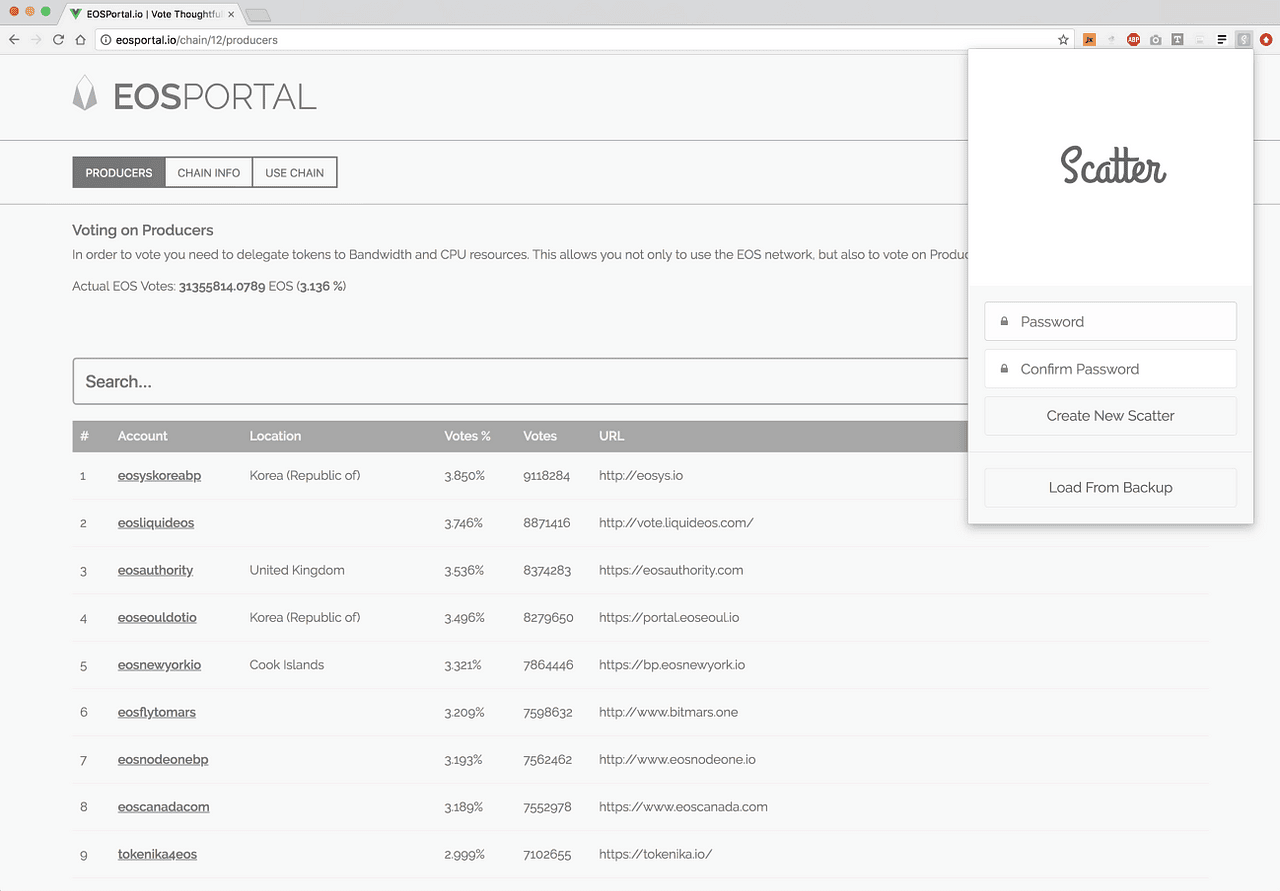
The browser extension

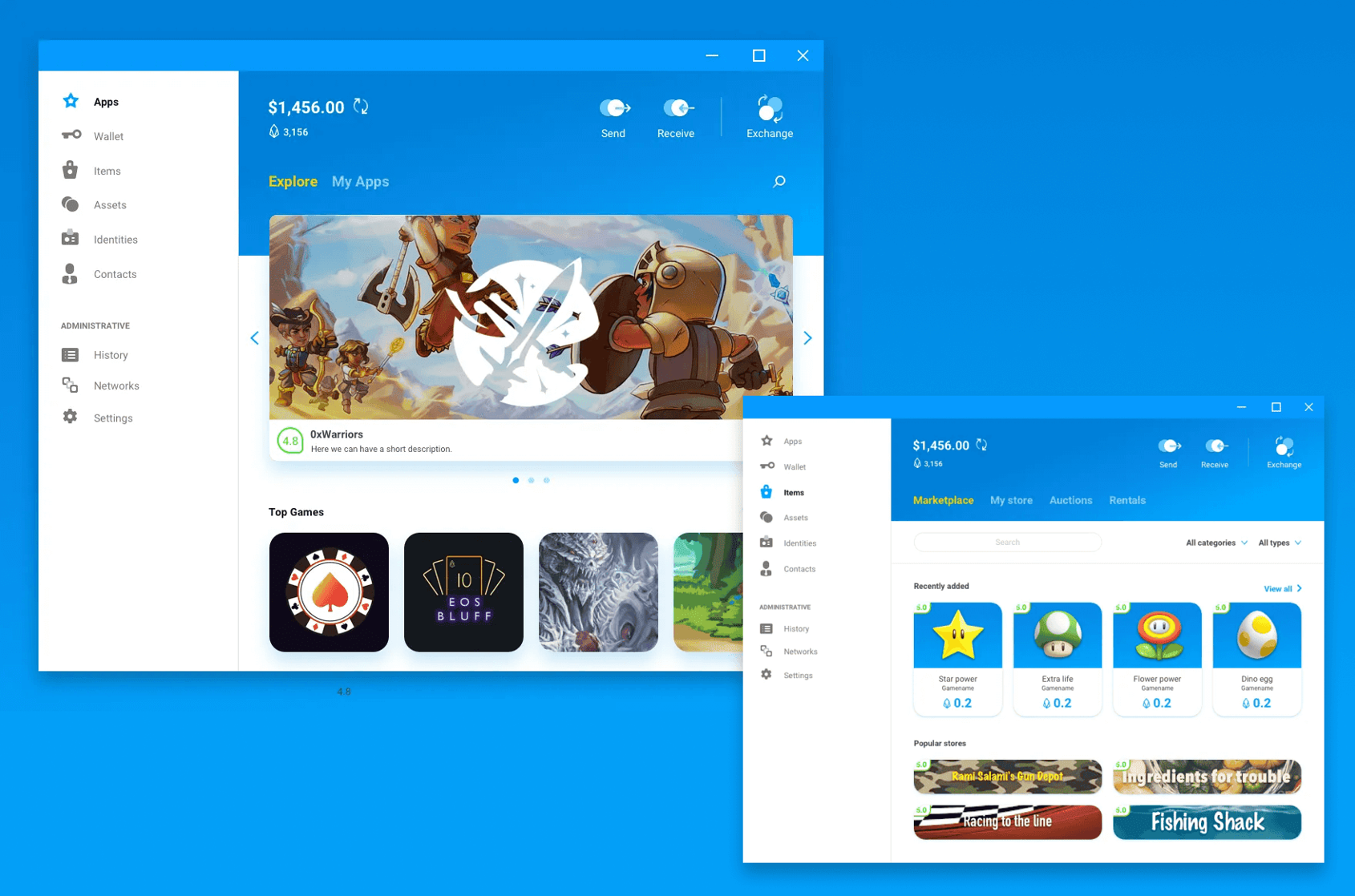
The desktop wallet and app store The wallet grew into a home for apps. Explore, My Apps, and Top Games sit next to your balance, and the Marketplace window shows game items for sale.

Why we built it
People came for the wallet and stayed for the apps. Putting the apps inside the wallet kept them one click away.
How it changed
We demoed the Marketplace live at EOS World Expo in San Francisco, with Mythical Games items for sale.
What users say
“The wallet became the place I start. My apps, my items, and my balance, all in one window.”
The desktop wallet and app store

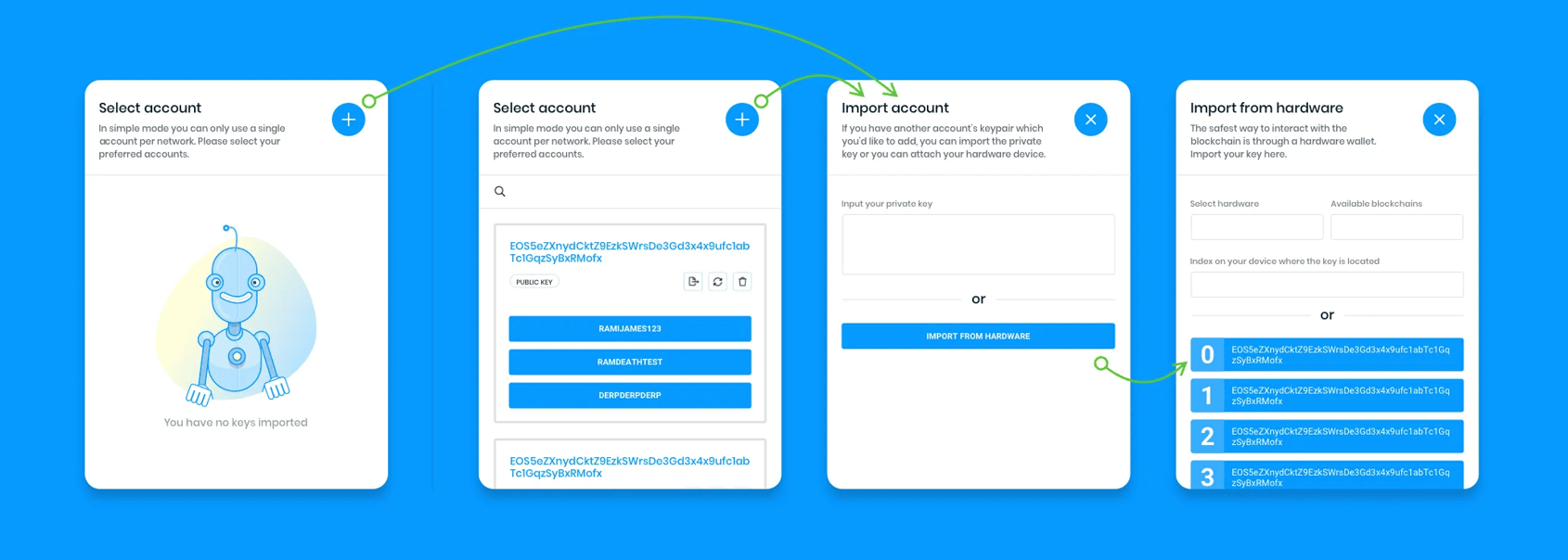
Onboarding, simplified Select an account, import an account, or connect a hardware wallet. Each step says in plain words what it does, and why.

Why we built it
Keys, accounts, and permissions are hard concepts. Most people dropped off at key import.
How it changed
I rewrote every step around one question at a time, with a plain-language note about safety.
What users say
“I am not technical, and I set up my account in a couple of minutes without asking anyone for help.”
Onboarding, simplified

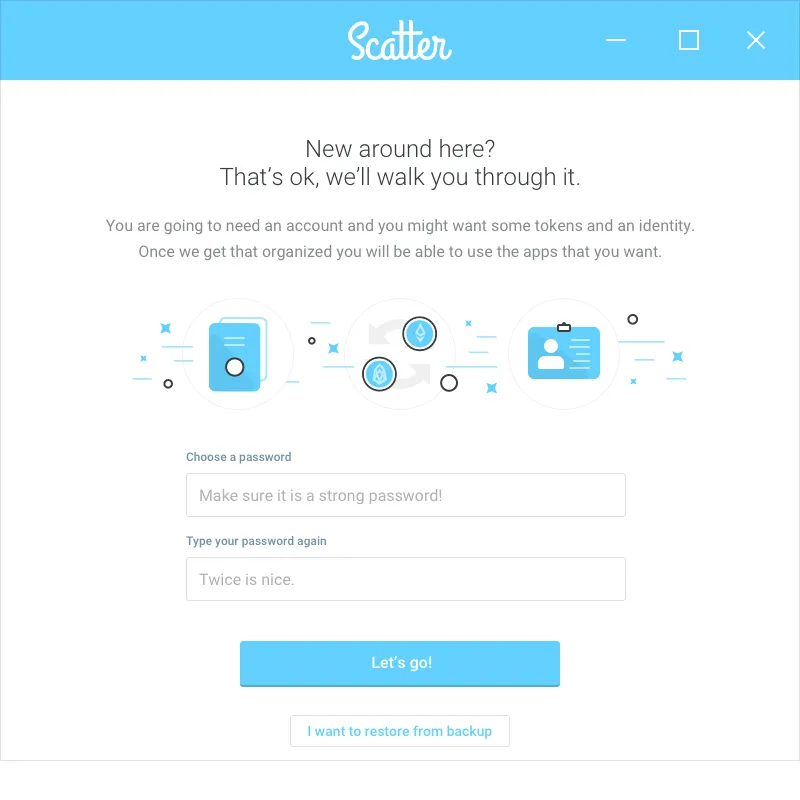
A friendly welcome “New around here? That’s ok, we’ll walk you through it.” The first screen sets a calm tone before anything technical happens.

Why we built it
A wallet that holds money has to feel safe from the first screen.
What users say
“It felt friendly, not scary. That matters when there is real money inside.”
A friendly welcome

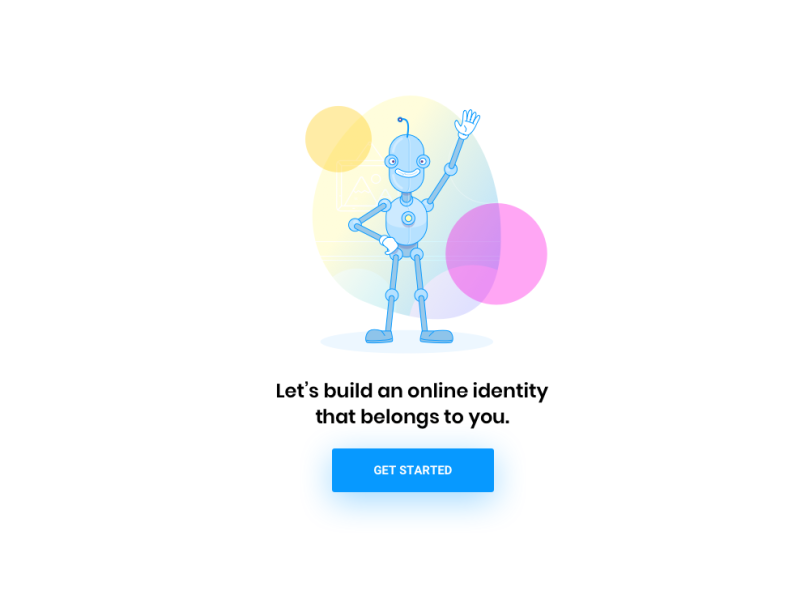
Identity An online identity that belongs to you. Apps ask for the details they need, and you decide what to share.

Why we built it
Every app asked for the same details again. An identity in the wallet lets you fill them once and stay in control.
What users say
“I filled in my details once, and every app after that just worked.”
Identity

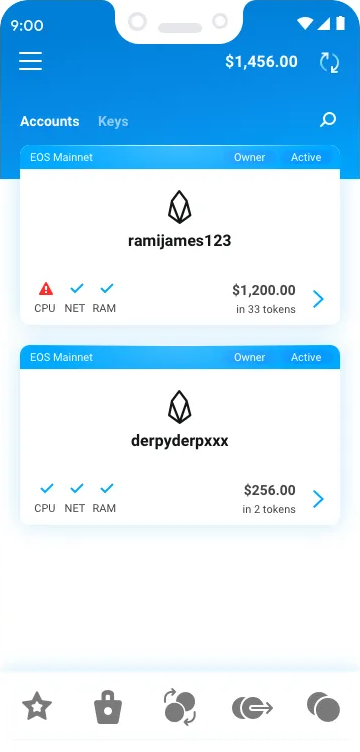
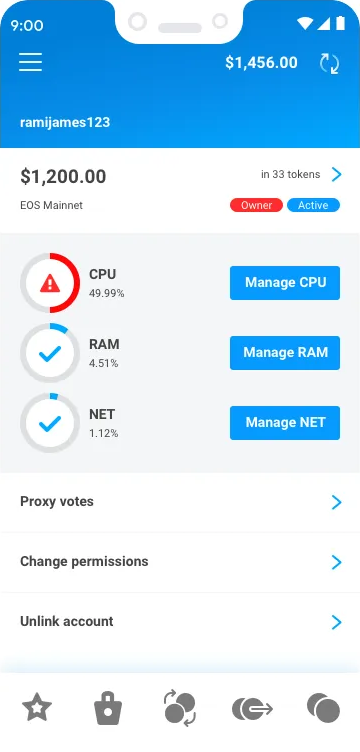
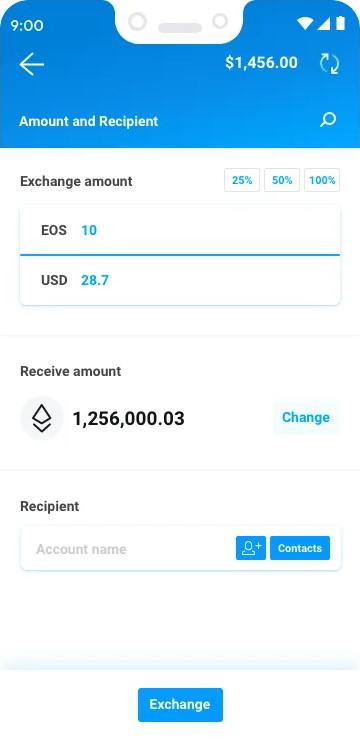
Mobile Accounts, keys, sending, receiving, and resources on the phone. The same mental model as the desktop, in a smaller space.

Why we built it
People wanted their wallet with them, not only at their desk.
How it changed
V4 brought a full redesign across desktop and mobile.
What users say
“Everything I do on desktop, I can do on my phone. Same layout, same feel.”
Scatter mobile: accounts
Scatter mobile: account resources
Scatter mobile: exchange

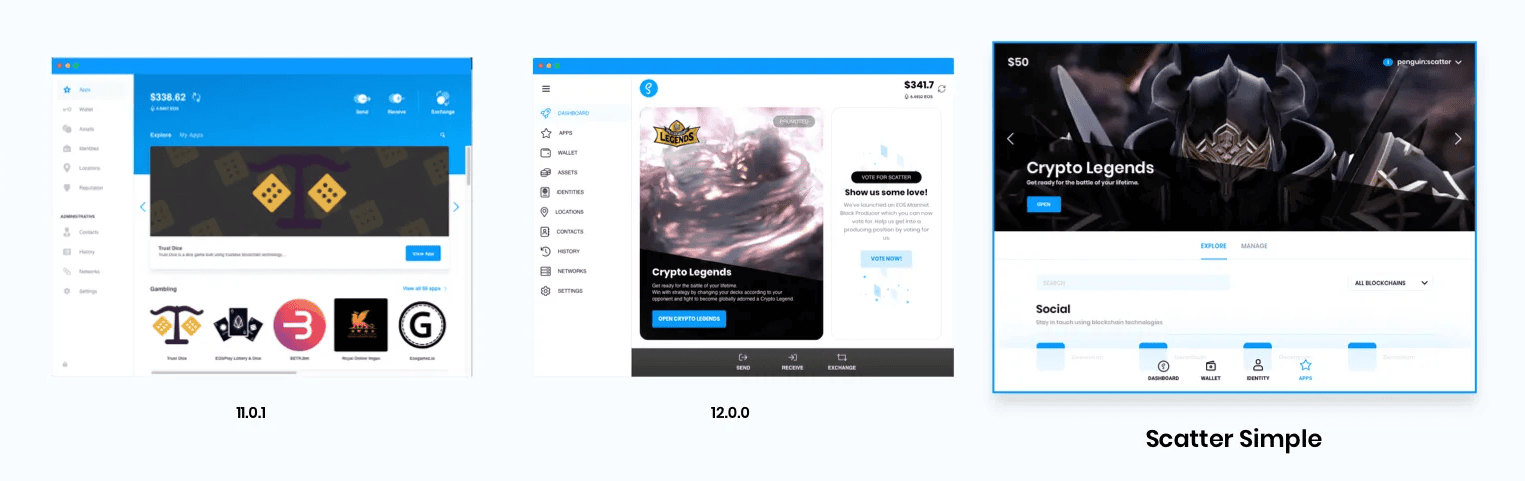
Four versions From the first desktop build to Scatter Simple. Each version kept what worked and dropped what confused people.

Why we built it
Each release answered what the last one taught us.
Why it stayed
Scatter became the most-used wallet in the EOS ecosystem, and Ultra acquihired the team.
Four versions

Book a
quick
call.

Pick a free slot and tell me about your idea. I confirm every request by email.